
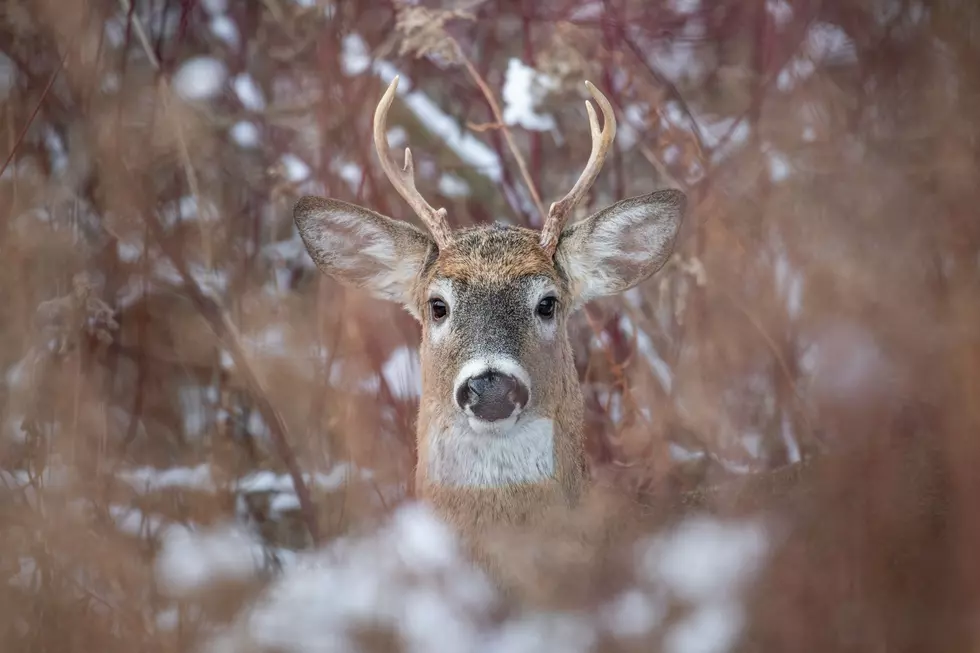
Big Changes, Key Reminders For Wisconsin Deer Hunters This Year
Wisconsin's traditional nine-day gun deer season runs November 21–29, 2026, with archery and crossbow already underway since Sept. 12 and muzzleloader to follow.
Last year, Wisconsin sold more than 790,000 deer licenses and hunters registered over 182,000 deer during the gun hunt alone. All told, hunting pumps an estimated $2.5 billion into Wisconsin's economy and supports some 34,000 jobs — drawing hunters from all 50 states and beyond.
As that army of orange gets ready, the Wisconsin Department of Natural Resources is out with a batch of reminders — and this year, a few things have changed.
The biggest thing to note is the ongoing fight against Chronic Wasting Disease, and hunters are the DNR's most valuable players.
Testing Deer Is The Best CWD Tool
The single most effective way to monitor CWD is testing harvested deer, and the DNR is especially hungry for samples from its 2026 Fall Priority Areas near recent detections.

Wisconsin hunters have several options: 24/7 self-service kiosks where you drop a deer head with five inches of neck attached, cooperating meat processors and taxidermists, at-home lymph node extraction kits, or an appointment with local DNR staff.
A short video tutorial walks you through the online form, and results typically come back within two weeks. You can find the nearest drop-off using the DNR's sampling locations map.
Free Replacement Tags If Your Deer Tests Positive
Remember, if your deer comes back CWD-positive, the DNR will issue a replacement authorization to your Go Wild account within two to four days.
An antlered harvest earns a replacement antlered tag valid statewide, while an antlerless registration gets an either-sex replacement for the same management unit and land type. Those tags aren't weapon-specific and stay valid through the rest of this season and next year's, too.
Carcass Disposal Looks Different This Year In Wisconsin
Proper carcass disposal keeps CWD from spreading to new areas — but a DNR budget deficit is trimming resources this fall.
The department's carcass-waste dumpsters will still be available statewide, just at fewer locations than before. Hunters are encouraged to plan using alternatives like curbside municipal pickup where allowed, a landfill or transfer station, or burying the carcass back at the harvest site.
Always check acceptance policies first, and revisit the disposal locations map throughout the season, since sites can change.
Baiting Bans, And A Word On Eating Venison
Before you head out, check the DNR's baiting and feeding page, as bans are in place in many counties. And on the dinner-table question: state and federal health agencies, along with the World Health Organization, recommend against eating meat from a deer that tests positive for CWD.
SEE NOW: New White House Christmas Tree Handpicked From Wisconsin Family Farm
Because infected deer can look perfectly healthy for months, health officials urge testing regardless of how the animal appears — especially in CWD-affected counties. To date, there have been no reported cases of CWD in humans.
What About EHD In Southern Wisconsin?
The DNR is also tracking an outbreak of epizootic hemorrhagic disease (EHD) in the southeastern part of the state, with updated reports posted on its EHD webpage.
The good news for hunters: the 2026 season will proceed as planned with no reductions to harvest opportunities. Some pockets may see higher local deer mortality, but EHD's impact tends to be short-lived, and herds bounce back quickly.
SEE NOW: Bayfield Apple Festival 2026: Your Guide To Wisconsin’s Big Celebration
Taking a few extra minutes to test a deer or dispose of a carcass the right way is simply part of keeping the herd, and the tradition, healthy for the kids who'll be climbing into the stand next.
50+ Items That Aren't Accepted At Wisconsin Goodwill Stores
Gallery Credit: Lauren Wells
Nine Items You're Banned from Mailing Wisconsin
Gallery Credit: Lauren Wells